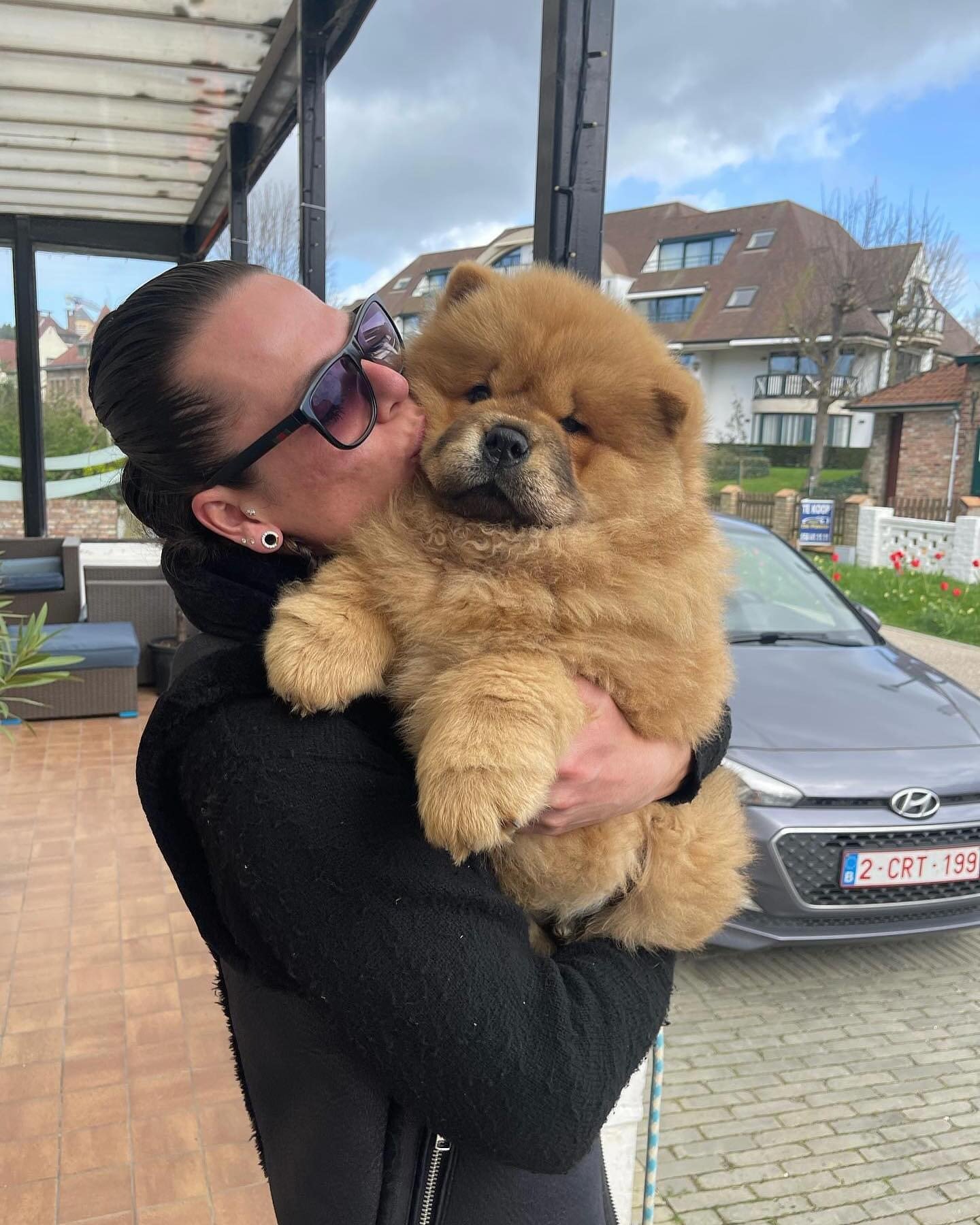
Your Puppy Journey Starts Here:

Your Puppy Journey Starts Here:
Proper nutrition is essential for the healthy growth and development of your Chow Chow puppy. Choose a high-quality puppy food formulated specifically for medium-to-large breeds. Look for products where real meat is the first ingredient, and that provide a balanced blend of proteins, healthy fats, vitamins, and minerals. Chow Chows grow at a moderate rate, so their diet should support steady growth to prevent joint or bone issues. Puppies typically do best with three to four small meals a day, which helps maintain energy levels and prevents overeating. As they mature, you can gradually transition to two meals daily. Always provide fresh, clean water throughout the day to ensure proper hydration, which is vital for digestion, skin health, and overall well-being.
Training is crucial for raising a well-mannered Chow Chow. This breed is intelligent but independent, so patience and consistency are key. Begin with basic commands like “sit,” “stay,” “come,” and “down,” using positive reinforcement techniques—treats, praise, and gentle encouragement are much more effective than punishment. Potty training should follow a structured schedule with frequent bathroom breaks, particularly after meals, naps, and playtime. Socialization is also extremely important for Chow Chows; expose your puppy to different people, pets, sounds, and environments to help them grow into a confident, well-adjusted adult. Proper early training reduces the risk of territorial or aloof behavior later in life.
Chow Chows are not overly hyperactive but do require regular exercise to maintain a healthy weight and strong muscles. Short walks and supervised play sessions are ideal. As a general guideline, provide 5–10 minutes of exercise per month of age, up to twice daily. Incorporate activities that stimulate both body and mind—gentle games of fetch, scent-based challenges, or interactive toys can help prevent boredom. Avoid overly strenuous activities that involve jumping or rough play, as Chow Chows are prone to joint stress if overexerted. Mental stimulation is equally important: puzzle toys and obedience games challenge their minds and strengthen your bond.
Chow Chows have a dense double coat that requires consistent grooming to remain healthy. Brush your puppy at least three to four times per week to prevent mats and tangles, and more frequently during shedding season. Regular grooming sessions help reduce loose hair, promote circulation, and allow you to check for skin issues or parasites. Bathing should be done as needed using gentle dog shampoo, making sure to rinse thoroughly to avoid residue that can irritate the skin. Nail trimming is important to prevent discomfort or injury, and dental care should begin early with a dog-specific toothbrush and toothpaste to establish healthy habits.
Routine veterinary care is essential for Chow Chow puppies. Schedule regular check-ups, vaccinations, and deworming treatments. Discuss spaying or neutering with your veterinarian at the appropriate age, usually around six months, as this can prevent certain health issues. Monitor your puppy for common breed-related concerns, including hip dysplasia, entropion, and hypothyroidism. Maintaining a healthy weight through diet and exercise reduces the risk of joint and heart problems. Regularly check ears, skin, and teeth for signs of infection or irritation, and consult your veterinarian if you notice any unusual behavior, appetite changes, or symptoms.
Creating a safe, puppy-proof environment is vital for your Chow Chow’s well-being. Remove hazards such as toxic plants, chemicals, and small objects that could be ingested. Consider using baby gates to restrict access to stairs or dangerous areas. Provide a comfortable bed or crate, which not only offers a cozy resting spot but also helps with training and establishing boundaries. Age-appropriate chew toys can support teething, prevent destructive behaviors, and keep your puppy entertained. Inspect toys regularly for damage, replacing anything that poses a choking hazard.
Chow Chows thrive on bonding with their owners, even though they are often independent by nature. Spend quality time engaging in play, grooming, training, and gentle affection. A consistent daily routine for feeding, exercise, and play enhances your puppy’s sense of security. Set aside dedicated bonding time each day, whether it’s a walk, brushing session, or quiet cuddle on the couch. Positive interactions foster trust and loyalty, helping your Chow Chow feel loved, confident, and secure.
Careful observation of your puppy’s behavior is key to maintaining their health and well-being. Track their appetite, energy levels, and bathroom habits, and note any sudden changes. A decrease in energy, loss of appetite, or difficulty moving could indicate a health problem requiring veterinary attention. Maintaining a journal of growth, behavior, and concerns can help during vet visits. Continue socializing your puppy through supervised interactions with other dogs, puppy classes, and new environments. These experiences help develop social skills, reduce anxiety, and encourage a well-rounded temperament.
Caring for a Chow Chow puppy requires patience, dedication, and love. By providing proper nutrition, training, exercise, grooming, and veterinary care, you can help your puppy grow into a healthy, confident adult. Regular attention, socialization, and bonding activities will strengthen your relationship and ensure your Chow Chow becomes a loyal, cherished member of your family. With consistent care, your puppy’s unique personality and dignified charm will flourish, bringing joy and companionship for years to come.